

TEAMWORK: The Key to Success
In this sub-guide you'll learn about Teamwork, the biggest fear of the average Ultra Rumble player!
Introduction: The Power of Friendship
Teamwork is a crucial part of the game, even really powerful and experienced players can easily die without teamwork, but when the team is actually coordinated and actually follow some strategies, they can be absolutely terrifying and almost invincible in normal Ranked Matches. For that reason, it's important to take full advantage of the 3v3 aspect of the game, surely you don't wanna get erased by a coordinated team made up of Strike Kirishima, Strike Kendo and Cementoss/Ibara/Izuku OFA, don't you?
The Basics
If you've been playing the game for a while, you probably can skip to the next bit, as this bit is for basic teamwork signals and "etiquette".
- Land with your teammates, especially if they have low mobility or can revive you. Sometimes you can get away with some spacing if you or your teammates have fast mobility, but staying together is important to be able to fence off threats and not die while ambushed alone. Characters like Kurogiri are one of the few exceptions that can spawn on the opposite site with no trouble, as Kurogiri can retrieve DOWNd teammates from anywhere on the map. For more experienced and coordinated teams, splitting can work, especially when splitting to get loot more easily or to optimize non-Kota Finder Kota rescue, however this can easily backfire when playing with random teammates or even with friends if they are caught lacking.
- If your teammate uses the "I Need Recovery Items" notification and they're using it on a teamheal, it means they're drinking a teamheal, so in this case you should try to delay your wake-ups if you're low on health so you can buy yourself time to be healed. If you're gonna use a teamheal, notify your team. In some cases it might be best to not do it if you feel you might get interrupted at any moment, or else your teammates might not get the healing they expected, possibly getting them killed.
- Boxes and Gold Boxes are not to be shared. Do not attempt to pick the loot of a Normal or Gold Box your teammate has opened, the only shared loot are Large Item Boxes and KOd enemies, use your gut to tell how much loot you can take from these, especially if you have high levels but your teammates are struggling.
- Using "I need recovery items" on non-teamheals means they actually ran out of that specific drink and need more. If you can spare some, do it, otherwise it's okay if you don't. Using it on Team Enhancement Kits either means "Hey, you forgot to drink it" or "Hey, where's Kota?" if one of your teammates (or yourself) have Kota Finder equiped.
- If you see an ability card that matches the class/role of a teammate and it also matches a skill they don't have at level 9, ping it to them so they can level up. If possible leave it close to their position, since many people don't like to run back at where you left the card if there's enough distance. If you need one of these cards (and they don't match your own class) and don't want to give it to your teammates because of how useful it can be to you, then at least try to only keep the ones for your teammate's least useful ability. For example, Mr. Compress' least useful ability is Beta, so if you want to keep Support Ability Cards to heal yourself, keep beta ones and leave the alpha and gamma ones to your Compress teammate.
- If a teammate dies, go get their badge, nobody wants to be waiting the whole match doing nothing when their teammates have all the tools to revive them. However, this tip should also be taken carefully, if it's overly risky then you can leave it behind (but this only really applies in the late game or if you have very little HP drinks), but keep in mind that even when it feels difficult to retrieve the badge, you should still do it so long as you don't think you will die, simply having a badge deep into the Poison Mist isn't a death sentence in of itself. Do your best to also get revive cards, either by helping civilians, or by scouting for the loot of dead bodies, it can be really frustrating when teammates fight but pay no attention to loot that could contain full revive cards or at the very least gray ones.
- If you're gonna pick fights, you can try to pick them against people attacking your team, that way you have a target to attack while also having allies that won't attack you and will take the aggro fully or partially.
- If you have your good skills at level 9 and your only ability not maxed is pretty unimportant (Tsuyu Asui's gamma skill, Compress beta skill, etc...), consider handing the Level Up cards to teammates, if they perform better, that will work out nicely for you.
- This is more advanced, but try to not interrupt your teammates' combos, this applies especially with characters like Aizawa, who might try to pull the enemy with an alpha but a teammate might interrupt this with a lower DMG skill.
- If you have 1 revive card and your teammate has 2 (or viceversa) and the other teammate is dead, one of you should give the cards to the other to perform the revive, some people forget they don't need to collect 3 by themselves, they can rely on ally revive cards too.
- Interrupting an enemy attacking your teammate can give them room to heal and come back to battle while giving you a target to fight.
Building a Team
Every character in this game has a class/role, assigned by the developers: Strike, Assault, Rapid, Support and Technical, but you probably already know this from the Class Guide. Aside from the official classification, there’s a distinct set of archetypes that tells you about their roles in a match. My Hero Ultra Rumble is a game that does not force you into picking characters from each role or archetype, but understanding them is crucial to get a better sense of your team. Most characters can technically play as any archetype, but that doesn't mean it's their optimal role. Let's introduce these archetypes:
Duelists
Duelists are characters with high mobility and stun potential. Their main objective is to isolate their opponent from their team and win them in 1v1. They tend to chase their victims, even if it means they will get separated from their teammates. Characters of this archetype often lack sustainability, they are usually the first to get into a fight, but the first one to flee.
Duelists are useful to secure a team wipeout. Most of the players will try to run after losing a teamfight, and duelists prevent them from escaping and resurrecting their teams.












Frontliners
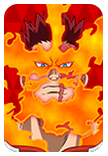
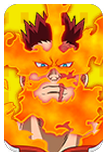
Frontliners thrive in chaos. They usually participate in dangerous mass fights. They usually have a bigger HP pool and AoE abilities with decent mobility. They tend to stay closer to their team, but sometimes will leave it and search for engagement.
Frontliners the biggest archetype in the game. They usually present a middle ground between survivability, damage and mobility. They are generally strong and self-sufficient.




















Backliners
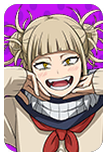
Another archetype of Ultra Rumble are backliners. This is the definition of a glass gun. They can deal significant damage, but fold too quickly if they are getting focused, that’s why they rely on their team for protection.





Roomsiders
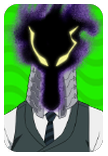
Roomsiders usually try to stay closer to buildings and hide behind the map obstacles. Their main adjective is protecting areas they occupied.
The strong side of roomsiders is that they can make certain areas practically off-limits for their enemies, creating a safe spot for their teams to regroup and heal. They are especially useful in late circles, where they can occupy a strategically valuable place and hold it for a long time, forcing their enemies to fight in the open. Sometimes Frontliners like Endeavor or Strike Todoroki can be roomsiders too. The weak side of this archetype is that they are not roomsiders by choice. All those characters want to be Frontliners, but they lack much needed mobility and may be picked off in the open too quickly.



Monoma
Base Monoma is a special case due to his kit not being the best in any department. He definitely doesn't want to be Frontliner due to his low battle survivability, so he works better as a Backliner, but ultimately it comes down to whichever moves he copied.

Consider your teammates’ gameplan.
An experienced player usually knows what to await from their teammates. A lot of team failures are caused by the fact that players do not consider their teammates’ capabilities and gameplan.
For example, if you play with a duelist, you have to consider that their playstyle is hyper aggressive and hyper mobile. They might do hit and run tactics and change their playstyle rapidly. You’ll have to make sure you can keep up with them.
Playing with roomsiders will eventually slow you down. They will try to occupy a building and hold it, leaving them might be dangerous for both of you.
If you play with backline characters, they might want to stick around and help you from afar, but their vulnerable nature will require you to pay more attention to their game and HP bar.
Class Bonuses
Let’s return to official roles assigned to every character by the developers. Keep in mind that picking multiple characters of one role provides a greater team-wide buff. But it comes with a downside of having to fight for every level-up card of your class. Buffs can be mixed, depending on your team’s character roster. For example, having one strike character and two assault characters in one team provides you 5% damage boost and 10% damage resistance.
Strike bonus:
- +5% damage
- +10% damage
- +20% damage
Strike role bonus is considered to be the best one in the game so far. A 20% unconditional damage boost for every team member is unbelievably valuable. Furthermore, Strike characters are not dependent on their levels
Assault bonus:
- +5% damage resistance
- +10% damage resistance
- +20% damage resistance
Assault role bonus is also considered one of the best, but sadly, the role itself lacks strong units. Assault characters are slightly more level-dependent and usually have worse mobility than Strike, which makes looting slightly more challenging.
Rapid bonus:
- +5% speed
- +10% speed
- +20% speed
Due to their fast-paced gameplay and movement, Rapid has the least problems with searching for level-up cards. The boost they provide is generally good for them, but teams that feature a lot of rapid characters may be too disorganised and all scattered around the battlefield which increases skill requirements for every team member.
Support bonus:
- +10% HP and GP replenished by drinks
- +25% HP and GP replenished by drinks
- +50% HP and GP replenished by drinks
The support bonus is the worst one by far. It currently only affects small drinks and Area Control Battle team-drinks. Most of the time, players heal themselves with full drinks, which makes this effect completely useless. But even if you try to take full advantage of it, most support characters lack mobility and depend on their levels which makes looting a stage so much harder for you.
Technical bonus:
- +10% reload speed
- +20% reload speed
- +30% reload speed
The technical role bonus is generally solid, and its effect is already strong even if you only included two technical characters in your team, which makes a great mix-up tool and helps reloading long cooldowns like instant revives or Momo’s bag.
Choosing Drop Location
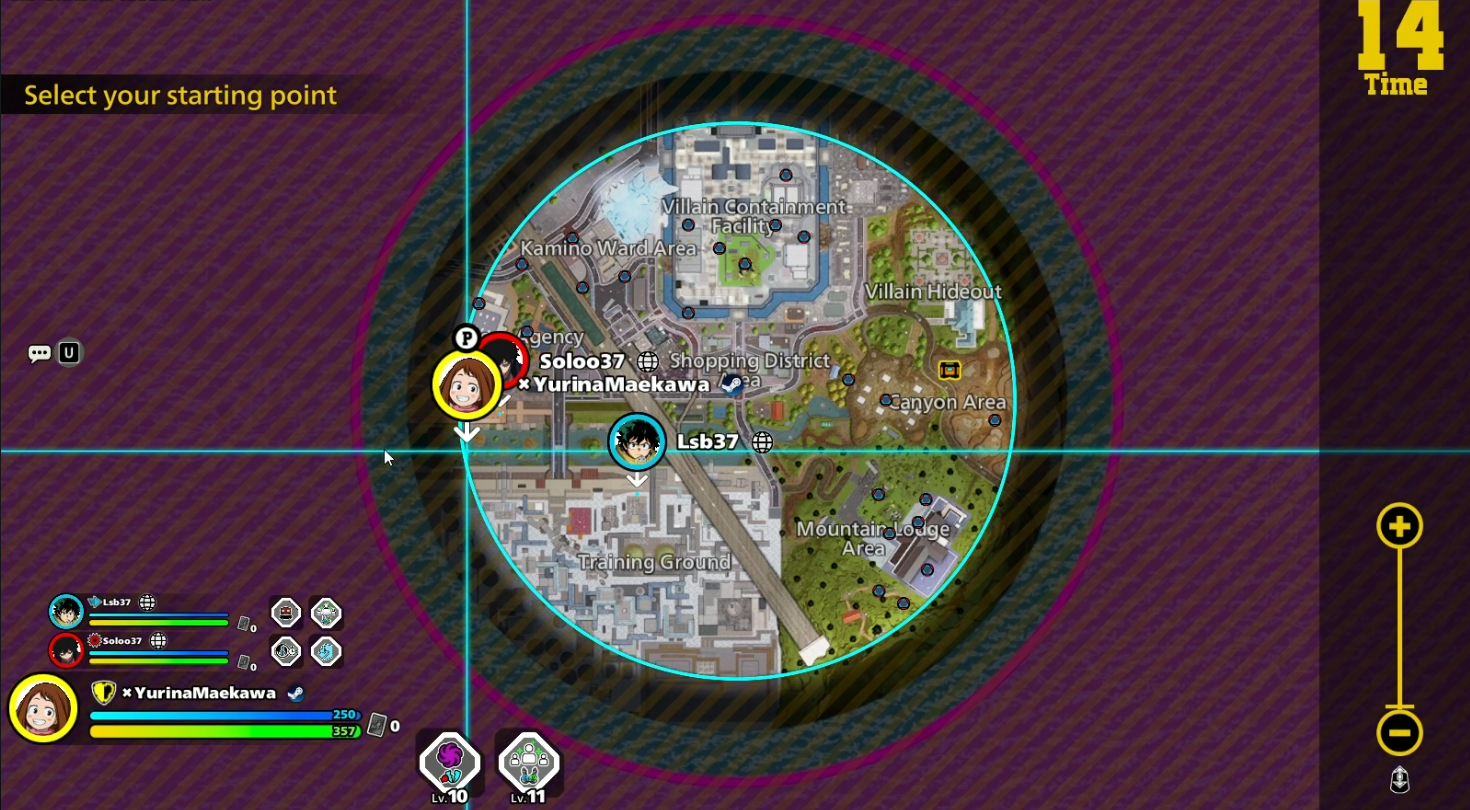
Right after the game starts, players have a small time period to choose their landing spots. Making a poor decision during this stage of the game may completely ruin the match for you.
First of all, it is crucial to land together. Choosing landing spots that are too far from each other means you won’t be able to rely on your teammates' protection or help them if they get attacked.
Another important notice is that landing too close to each other is also not a good strategy. By landing right on top of the head of your teammate means both of you will have to contest the same loot. In an ideal situation you should take uncontested loot, or at least contest it with your enemies. Taking loot from your teammates slows down both of you and gives your enemies more freedom.
Another advice is landing in the same looting zone. Sometimes, the zones may be close to each other and inexperienced players may think that splitting their team in two and going for the Aquatic and Fire zone at the same time is a good idea. In fact, it is not. Most of the teams drop together and you have a slot chance to fight 2v3 or even 1v1. And even if your last teammate decides to come for help, they will have to traverse the area in between looting zones which naturally contains less loot for them.
Social Interactions
Every character has a voice line and emotes wheel that could be used to communicate with your teammates if you don't have a mic. Using these voicelines is actually underrated, because simple “hello” or “thank you” can really affect how teammates treat each other and make them more motivated to play as a team.
Pings and Types of Pings
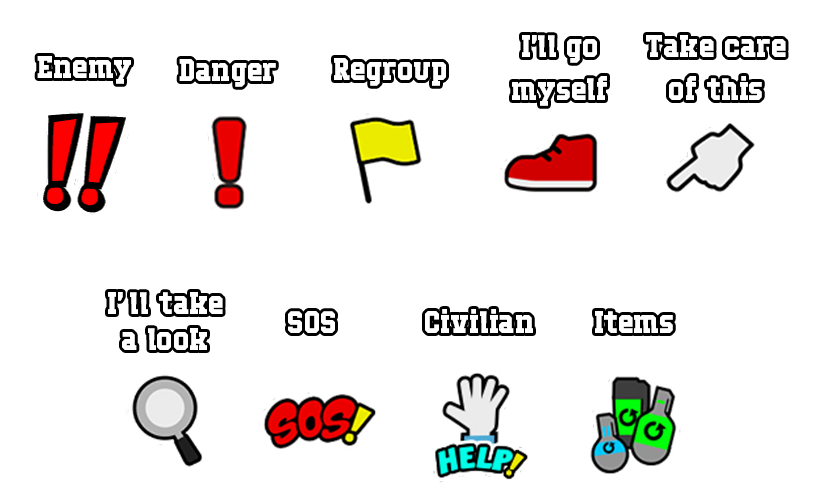
- Default – this ping is usually used to show the direction of your movement. Sometimes people use it as a “retreat” ping, if they’re losing the fight.
- Enemy – a ping used to alert your team and show them where the enemies are. Most players use it right before the engagement, and it shows that you want to enter the fight.
- Danger – ping used to tell your teammates to be cautious. Unlike “enemy ping”, it shows your teammate that you don’t want to enter the fight, just letting them know that the marked area could be dangerous.
- Regroup – the purpose of this one is to tell your teammates to group up. You can use it to ask your teammates to hold an advantageous position with you or simply retreat.
- I’ll go myself – a rarely used ping that shows your team that you want to go somewhere alone. A useful situation for it is pinging your fallen ally banner to tell them that you will retrieve it.
- Take care of this – basically the opposite of the previous ping. Hardly ever used.
- SOS – a highly underestimated ping that shows your team that you need immediate help. A usual mistake is not using it at all or using it too late. SOS ping should be used when you have just noticed that you’re at a disadvantage, not right before you die.
- I’ll take a look – another quite rare ping which is usually used to tell your teammate you’re looting a certain area and you do want to do it alone.
- Civilian – a ping used to mark civilians. Pretty simple.
- Items – this one may tell your team to take a break and search for loot in a certain area. Could also be useful for saying you are about to drop your teammates some items if they need them.
Interaction with pings
Pressing a default ping on top of any existing ping that you left will cause it to remove the existing ping.
If it was left by your teammate, you will confirm his ping and give it a positive answer.
A little less intuitive feature is that you can actually leave a negative answer to any ping. To do so, hold the default ping and choose the negative option on the wheel.
Resurrection Cards & Civillians
A common mistake for most of the players is completely neglecting civilian rescue. Civilians are the source of the most valuable and game-changing items in this game: revive cards and team heals. A well-timed team heal can swing the battle in your favour, and at least one full revive card early game allows your team to have a second chance and revive your fallen allies early enough so they could still loot and collect level up cards.
But sometimes you can’t afford the luxury of wasting time on saving civilians. The early game may be tough and if you lost a teammate early in the match, you should immediately search for a disengagement opportunity to search for revival cards and get your teammate back ASAP. It is crucial to collect the cards quickly, because as the match goes on, less and less revive cards remain available with each minute.
Keep in mind that Large Item Boxes are also a source of full revive cards. Opening it may provide one, or even two revive cards for you and your team. And unlike the first Large Item Box, they are frequently uncontested later in the game.
Team Heals
As it was already discussed earlier, team heals are game changing tools. There are currently three team healing items in Battle Royale mode and one more dedicated specifically to Area Control Battle.
There are two Team Recovery Kits that allow you to only heal HP or GP for yourself and your team. The one and only way to get them is saving civilians. Do not forget that you can know what type of heal item a civilian possesses by their shirt color.
The third item is Full Support Drink. It allows you to heal both the GP and HP of your whole team simultaneously. Unlike Team Recovery Kits, this kind of drinks could be found randomly lying on the ground, in Gold and Large Item Boxes. Momo can even create one using her SpA, but the odds of getting it from any source is pretty low.
Well, let's imagine you have said heals, when do you drink them?
- On Retreat – If you’re forced to leave the fight early, it’s always a good idea to drink a team recovery drink. Leaving your team usually puts them at a numerical disadvantage. Which usually leads to losing a lot of health points. Drinking a team recovery drink in this time allows you to stay useful even when you can't directly participate in a fight.
- Before the Engagement – Sometimes your team may be stretched too wide and you need too much time to engage and help your teammates. If you see their health rapidly going down, consider drinking a team recovery drink before you attack to even out the situation.
- Inside the Poison Mist – Ironically, poison mist may be much safer than some of the final circles. Players don’t like (sometimes) to chase into the storm which gives you a long break that could be used to drink a team heal.
Text & Voice Chat
Unfortunately both text and voice chats of MHUR are poorly made. Most of the playerbase prefers to have their voice chat turned off. And they usually don’t read chat because they have no time to open a dedicated menu or don't pay attention to the little red ping. If you have any important information to pass, you should learn to use pings and voicelines instead.
Voice Chat will greatly enhance your team coordination and gameplay, so if you can play with specific people (friends) and use external voice chats such as Discord, PS Chat and such, you should give it a try.
Downed Allies
A common mistake for inexperienced players is either overcommitting to reviving their teammates or completely ignoring them. You should find a middle ground before your own safety and a chance for saving your teammate. If you have full HP and there’s only one enemy around your teammate it's always worth to try and protect them. Don’t try to pick them up, just be close and defend them from attacks. Even though it is technically a 1v1, your enemy will usually commit to finishing that kill which makes your duel much easier.
If you are a character with instant revive, you need to track your teammate’s health and get in range of your revival ability before they go down. Players of Ultra Rumble rarely let their downed enemies to lie down on the floor for more than a couple of seconds so you have to be ready revive your teammates as soon as possible.
Tournament Level Teamwork
This is the highest and strongest type of teamwork, as such, this section will probably receive changes over time in an attempt to deliver the most accurate information. Tournaments play might get its own page in the future.
Tournaments aren't like ranked, you MUST stay alive, if you lose, the result will pursue you throughout the rest of the tournament. Normally, in tournaments you get points for both placing higher and KOs, so your goal is to acieve the highest placement possible while also making sure the team actually engages in fights and gets actual kills, so camping tactics are less effective, as you will only benefit from the placement points, however this can be useful if you're vastly weaker than most other participants, as high placement points alone could come handy in this case.
The characters and tuning options you pick can heavily influence the final result, as other teams will show zero mercy in high level tournaments. You will often want characters with good mobility, at least one in the team in case retreat is necessary. Depending on the character you're fleeing with and how much you're succeeding, the enemy team might give up on you to not waste time for just one kill, especially if it can mess the team's positioning and strategies. Optimal team synergy, power/utility and lineup is also crucial, as people in tournaments really want to win, so chances are that the serious competitive players will play the characters they perform the best with, which will often be hard-meta.
When watching the top tournament players, there are two things that usually stand out: Team Integrity and Healing.
In these types of settings, the team must stay very close together (but not so much so that every AoE attack hits all of you) and defend each member from attacks. When fighting these types of teams you will see that the moment you attack one of their teammates (even if you aren't part of the team they're fighting) they will instantly target you. This isn't about the kills, it's about preserving the team while taking the chance to get kills, if the team is dead, so are your possibilities of getting kills. Some could say that in this case you have to play the game like a Protect The Monument type of game, the monuments being yourself and your teammates. Tournament players also want to keep their distance often and preserve their formation, you can kinda apply real battle tactics, especially regarding positioning, since it's easier to fight a team when you can either 1v1 them or fight the team while having all members in sight, which is to say, you don't want a team to surround you, you want all enemies to be in sight so you can instantly react to all of their actions. If one enemy is behind and the other is in front of you, it becomes difficult to control the situation, it's also why you should look at the minimap in the Sally and make sure you're careful with enemies coming from behind, a two-fronts battle can ve very undesirable.
Of course, to play at high level in tournaments you don't have to just play entirely defensively, you can (and are encouraged to since you need points after all) attack enemies, especially if you think they are vulnerable, as that's more points for your team and less for the enemy, but still remember to make pure offense a luxury, so offense should be limited depending on the team's mobility, immediate status, and the odds of getting kills soon.
Another factor are teamheals, without them you're likely not winning any matches in a high level tournament, all teams often have many in their inventory, split across various teammates in case one is in a difficult position. One of the teammates might have the job to acquire as many of them as possible, either from civilians, Large Item Boxes (especially with the Divine Protection special tuning) or from around the map. These items are crucial, pretty much mandatory, so they should NEVER be neglected. Of course, a player's own skill and character make massive difference, but even with high level players teamheals are essential, so DO NOT NEGLECT THEM.